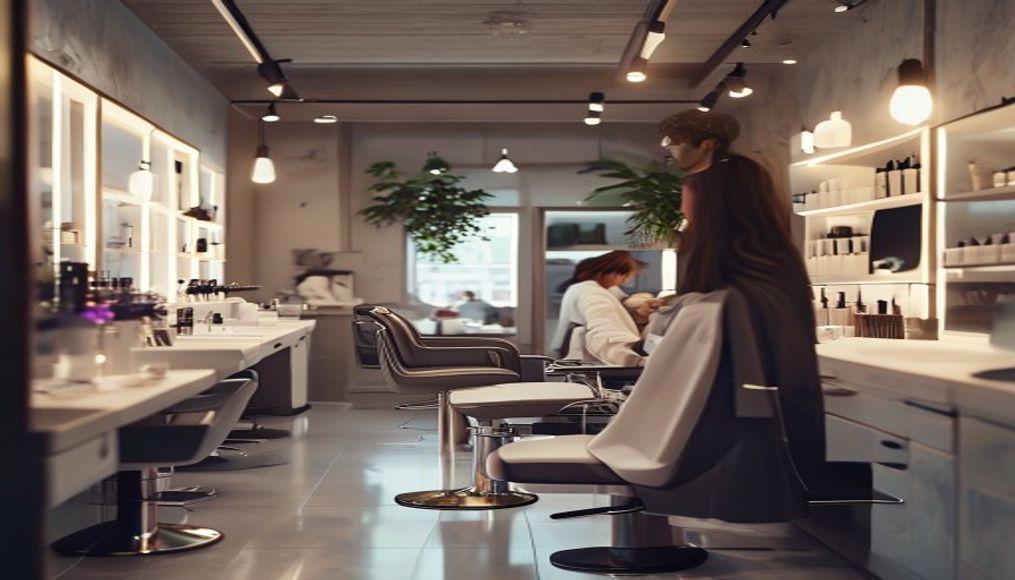
Why Modern Beauty Salon Management Focuses on Team Unity
Moving from Solo Stylists to a Strong Group
A salon full of solo stars often makes less money than a small, united team. Many owners think hiring the best individual stylists is the only way to win. This is a common mistake in the industry. When stylists work only for themselves, the business stays weak. Each person acts like a small island. They focus on their own chair and their own money. They do not care about the front desk or the overall look of the shop. This creates a cold feeling for the guests who walk through the door.
In the old way of working, every stylist was a competitor. They fought over the best walk-in clients. They even hid their color formulas from each other. This behavior hurts the owner and the staff. It stops the business from growing. Modern beauty salon management focuses on breaking these walls down. A strong group works like a single, smooth machine. In a united team, a senior stylist might help a junior with a difficult hair color. A nail artist might suggest a new hair treatment to their client. This teamwork keeps money inside the business. It also makes the work day much less stressful for everyone.
There are clear benefits to making this shift: – Clients stay loyal to the salon brand, not just one person. – Staff members learn new skills from each other every day. – The shop can serve more people without adding more chairs. – Problems get solved fast because everyone looks for solutions. – The vibe feels warm and welcoming to every new guest.
Good beauty salon management means teaching your staff that they are stronger together. When stylists work as a group, they share the daily load. If one person falls behind, another steps in to wash hair or prep a station. This keeps the schedule moving on time. It prevents long wait times for the customers. Happy customers come back more often and spend more money over time.
Profit grows when the team shares a single vision. You no longer worry about one person leaving and taking your income. Instead, you build a brand that people trust. This trust is the most valuable thing a business can have. It turns a simple shop into a stable powerhouse. When every haircut is perfect, the whole salon looks good. This pride in the group is what makes a business stand out. It creates a place where people want to work and where clients want to spend their time. This change is the first step toward a healthy future for your business. Moving away from the solo model is the only way to build
The High Cost of Staff Turnover in Your Salon
Losing a single experienced stylist can cost a salon owner more than 15,000 dollars in lost revenue and hiring fees. This high price tag includes the cost of placing ads to find a new worker. It also covers the many hours a manager spends interviewing and testing candidates. While a chair sits empty, the salon still pays for rent, lights, and insurance. An empty chair brings in zero dollars but still costs money every day. This financial leak is a major hurdle in beauty salon management today. New hires also need time to learn your specific salon culture. They often work slower during their first few months. Every hour they spend in training is an hour they are not booking paying clients.
Clients often feel a deep personal bond with their specific stylist. When a stylist quits, many of those loyal customers leave the building too. Industry data shows that a salon may lose up to 70 percent of a stylist’s client list when that person moves away. These customers do not just disappear into thin air. They follow their favorite professional to a competitor down the street. This means you lose the immediate income from those regular appointments. You also lose the chance to sell them shampoo, conditioner, or extra services. It costs five times more money to find a new client than it does to keep an existing one.
High staff turnover also creates a heavy cloud of stress in the break room. The remaining staff must pick up the extra work to cover the gap. They might feel tired, rushed, or burned out. This extra pressure leads to more mistakes and lower quality hair services. If employees see their friends leaving, they might start to look for new jobs themselves. A revolving door of workers makes the entire business feel unstable. Team unity breaks down when the faces in the mirrors change every few months.
The hidden costs of losing staff include: – Money spent on marketing to find new clients to fill the gaps. – Time spent on legal paperwork and tax forms for new hires. – Lower retail sales because new staff do not know the products yet. – Damage to the salon brand and negative online reviews. – Increased stress for the owner who must work longer hours.
Modern beauty salon management requires a focus on long-term stability. Regular clients notice when the staff changes all the time. They want to see familiar, friendly faces when they walk through the front door. If they see new people every visit, they stop trusting the quality of the business. They might worry that the owner does not treat the workers well. This negative reputation spreads fast through word of mouth and social media. Keeping your team together is the most effective way to keep your profits high and your stress low. A stable team builds a foundation for a business that can grow for years.
Creating Psychological Safety for Your Hair and Nail Artists
What Safety Means in a Busy Salon Setting
Psychological safety is the belief that you will not be punished for making a mistake. It is the feeling that you can speak up without fear of being shamed. In a busy salon, this means a stylist can ask for help with a difficult hair color. They do not have to worry that their boss will judge them. They do not have to worry that their coworkers will make fun of them. This feeling of trust is the core of smart beauty salon management. When artists feel safe, they can focus on their art. They do not spend energy hiding their errors.
A salon is a loud and fast place. Phones ring and blow dryers make noise. Clients have many hopes for their look. In this busy setting, safety means more than just a clean floor or sharp shears. It means a stylist can say they are not sure about a new cut. It means a nail tech can admit they used the wrong top coat. When people hide mistakes, those mistakes turn into bigger problems later. A safe team talks about issues early. This keeps the client happy and the business running well.
Safety changes how a team works together every day. – Stylists share new ideas for hair styles without feeling silly. – Team members help each other when the shop is full of clients. – Every person feels like their voice is heard during staff meetings. – Stress levels go down for the whole group because no one is hiding.
Creativity needs risk to live. You cannot have a great salon if your team is afraid to try new things. If a stylist tries a new way to foil hair and it fails, they should feel supported. They should learn from the moment instead of feeling ashamed. This support allows the salon to improve. Without it, the team acts like robots. They do the same simple work every day because it is safe. True growth happens when people feel they can fail and still be valued. This trust makes the salon a strong unit. It turns a group of workers into a true team. When the team feels safe, they stay loyal to the salon. They give their best to every client. This sets the stage for how the team talks to each other.
How to Encourage Honest Feedback Without Fear
Fear is the biggest wall in beauty salon management today. Many hair and nail artists stay silent because they worry about their work schedules. They might see a problem with a product or a cleaning routine but say nothing. This silence hurts the business and stops growth. To fix this, you must build a bridge of trust through clear actions.
One simple tool is the anonymous feedback loop. You can use a digital form where names are not required. This allows staff to be honest about their stress levels or equipment needs. When artists know their identity is safe, they share the real issues. You might learn that the lighting is too dim for detailed nail work. You might find out a vent is too loud for a relaxing hair wash. These small details matter for their comfort and the quality of their work.
Face-to-face meetings are also vital for a healthy team. These should happen once a month for every team member. These are not times to talk about mistakes or rules. Instead, use them to ask how you can help the artist succeed. A good leader listens eighty percent of the time. If a stylist feels heard, they feel valued. A valued worker is less likely to quit for a different salon.
You must also lead by example. Share your own errors with the group during staff meetings. If you missed a supply order, admit it openly to everyone. This shows the team that mistakes are part of the learning process. It removes the fear of being punished for a simple slip-up. When the boss acts like a human, the staff feels safe being human too.
Use these methods to gather honest thoughts: – Create a digital suggestion box that is always open for ideas. – Hold short check-ins that focus only on the artist’s needs. – Reward honesty even when the news is hard to hear. – Focus on the process when things go wrong instead of the person.
If a nail artist points out a flaw in the booking system, thank them. Do not take the comment as a personal attack. Use their expert view to make the system better for everyone. This turns a critic into a helper. It builds a unified team that works toward the same goal. Trust is the glue that keeps a busy salon running smoothly every day.
Using Empathetic Leadership to Lead Your Beauty Staff
Listening to Your Team to Solve Daily Problems
Leaders who listen catch small mistakes before they cost the business money. In a salon, many things happen at once. A stylist might run out of a certain hair color. A sink might leak. A client might arrive late and cause a delay. These small issues happen every single day. If a manager does not listen, these small problems grow. They turn into big fights or lost customers. This is why listening is a vital tool for beauty salon management. You must hear what your team says to keep the shop running well.
Listening is more than just hearing words. It means you pay full attention to the person talking. When a stylist comes to you with a problem, stop what you are doing. Look them in the eye. Do not look at your phone or your computer screen. This shows the stylist that their time is valuable. It also shows that you care about their work. When people feel cared for, they stay at their jobs longer. They also try harder to do a good job for the clients.
You can use simple steps to make listening a habit: – Hold a short meeting every morning to check for needs. – Ask your team what tools they need to succeed today. – Stay on the floor during busy hours to see problems first. – Say thank you when a team member brings up a concern. – Follow up the next day to see if the fix worked.
Many managers think they know everything. They think they have all the answers. This is a mistake. Your stylists are the ones working with the clients. They see things you might miss. They know which tools work and which ones are broken. If you listen to them, you get better information. This information helps you make smart choices for the business. It makes the salon a calm place to work.
When you solve daily problems fast, the team feels safe. They know you have their back. They do not have to worry about small things. Instead, they can focus on making clients look great. This builds a strong bond between you and your staff. It turns a group of workers into a real team. Once your team feels safe and heard, they are ready to grow even more. This leads us to how you can help each stylist improve their skills over time.
Supporting Personal Growth for Every Stylist
Stylists who see a clear career path are much more likely to stay at their salon for many years. Effective beauty salon management means looking at the person behind the shears. Each stylist has a unique dream. One person might want to master complex color techniques. Another person might want to learn how to lead a small team. When a leader supports these dreams, the stylist feels seen and heard. This feeling creates a deep bond of loyalty that money cannot buy.
You should hold growth meetings at least every three months. These meetings are not about fixing mistakes. They are about building the future. Ask your stylist, “What new skill do you want to learn this season?” Listen closely to their answer. Then, help them make a realistic plan to reach that goal. You might offer to pay for a special training class. You could also give them a day off to attend a major hair show. These acts show that you care about their personal success.
When a stylist grows, the entire salon gets better. A stylist who learns a new skill can offer more services to clients. This brings more money into the business. It also makes the stylist feel proud of their work. Pride leads to better service and a better mood in the shop. Happy stylists talk to their clients with more excitement. This positive energy makes clients feel special and keeps them coming back.
Supporting growth involves a few simple steps: – Set clear goals together that have a specific deadline. – Provide tools like books, videos, or online training courses. – Give honest feedback that helps them get better every day. – Celebrate when they reach a big milestone or finish a class. – Offer chances to lead small projects or train new staff.
Loyalty is earned through trust and active support. If you help your team reach their goals, they will help you reach yours. This creates a strong circle of success for everyone involved. A stylist who feels supported will not look for a new job at another shop. They will stay and help you build a unified powerhouse. Helping your staff grow is the best way to ensure your salon grows too.
Improving the Client Experience Through Better Teamwork
Why Happy Staff Provide Better High-End Service
Happy staff members make fewer mistakes during the day. They also notice small details that others often miss. High-end service relies on these tiny details to feel special. When a stylist feels safe and supported at work, they can focus entirely on the client. They are not worried about their boss or their coworkers. This deep focus creates a much better experience for the person sitting in the chair.
Our brains have special cells that help us feel what others feel. If a stylist is angry or tired, the client will often feel that stress too. This happens even if the stylist tries to hide their mood with a smile. In beauty salon management, the mood of the team is the foundation of the entire brand. A tense room makes clients want to leave quickly. A warm and happy room makes them want to stay longer and spend more money.
Psychological safety is a term for feeling safe to speak up. It means a stylist can ask for help without feeling silly or being judged. In a busy salon, this leads to much better results for the guests. If a stylist is unsure about a new color mix, they will feel free to ask a teammate for a second opinion. This simple act prevents a bad result for the client. Happy teams talk more and solve problems much faster. They share new tips and help each other grow. This raises the skill level of every person in the shop.
A positive team provides many benefits for the business: – Stylists listen more closely to what the client actually wants. – The team works faster because they help each other with tasks. – Clients feel the positive energy as soon as they walk through the door. – Staff members stay at their jobs longer, which keeps clients loyal to the salon.
High-end service is about more than just a great haircut. It is about how the client feels from start to finish. People pay a premium for the luxury of being cared for by experts. A stressed stylist cannot provide true care because their brain is in survival mode. They are just trying to get through the day. A happy stylist provides a true experience. They remember the client’s name and how they like their coffee. They notice if a client is sad and offer a kind word. This level of service builds a very strong business that people trust. When the team is happy, the client wins every time. This positive energy makes it much easier to create a brand voice that stays the same across every chair.
Creating a Consistent Brand Voice Across All Chairs
A guest feels more secure when every person in the building speaks the same professional language. If one stylist is polite but another is rude, the image of the salon suffers. Consistency means that a client gets the same great feeling no matter who does their hair. This is a core part of beauty salon management. It turns a group of independent workers into a single, powerful brand. When every chair delivers the same vibe, the salon becomes a trusted name in the community.
A brand voice is the personality of your business. It includes the words you use and the way you solve problems for your guests. If your salon is a luxury space, every stylist should use calm and helpful tones. If it is a trendy or fast-paced spot, the energy should be high across all stations. To make this work, everyone must be on the same page. You can achieve this by setting clear standards for the entire team to follow.
- Use a standard greeting for every person who walks through the door.
- Follow a set list of questions during the first five minutes of the consultation.
- Explain the cost of extra services using the same clear and honest terms.
- Offer a specific type of drink or comfort item to every guest.
- Use the same closing phrase to thank the client and invite them back.
These small steps create a sense of safety for the client. They know exactly what to expect when they book an appointment. They do not have to worry about a bad surprise or a change in quality. Good beauty salon management ensures that these habits become second nature for every staff member. It is not about taking away a stylist’s personal style or creativity. Instead, it is about giving them a strong foundation to stand on.
When the whole team follows these rules, the brand grows much stronger. Clients stop booking with just one specific person. They start booking with the salon as a whole because they trust the entire team. This shift makes the business more stable and successful for everyone involved. It builds a culture where quality is the standard, not the exception. Consistent service leads to loyal clients who feel like they belong in your space. This unity is what separates a basic shop from a high-end powerhouse.
Reducing Workplace Conflict with Smart Management Tools
Handling Disagreements Before They Hurt the Business
Unresolved tension in a salon acts like a slow leak in a boat. It starts small but can eventually sink the whole business if you do not fix it. In beauty salon management, the goal is to keep the air clear and the team focused on the clients. When stylists are unhappy with each other, the energy in the room changes. Clients can feel this negative mood as soon as they walk through the door. This leads to lower tips, fewer repeat bookings, and a bad reputation for the shop. You must learn to watch for signs of trouble before a small disagreement turns into a loud fight.
Conflict does not always start with a big argument. Often, it begins with small changes in how people act. A stylist might stop helping others with the laundry or the towels. Another team member might stop eating lunch in the breakroom to avoid a specific person. These shifts in behavior are early warning signs that something is wrong. Good leaders pay close attention to body language and the tone of voice used during the day. If you see two team members avoiding eye contact, it is time to step in and help.
When you notice tension, do not wait for it to go away on its own. Waiting usually makes the anger grow deeper. Instead, invite the people involved to talk in a private space. Never have these talks on the salon floor where clients or other staff can hear. Use a neutral room like a back office or a quiet corner after hours. Start the talk by asking open questions that do not sound like a的说. You might say, “I noticed things seem a bit tense today. Can you tell me what is on your mind?”
To handle these talks well, follow these simple steps: – Listen to the whole story without interrupting the person who is speaking. – Ask each person to explain their view of the problem clearly. – Focus on the specific behavior or event rather than the person’s character. – Look for a solution that allows both sides to feel respected and heard. – Set a date to check back in and see if the situation has improved.
Empathy is the most powerful tool a leader has to solve problems. It means trying to understand how the other person feels, even if you do not agree with them. When a stylist feels that you truly hear them, they are more likely to find a middle ground. This approach builds a sense of safety within the team. It shows everyone that the leader cares about their peace of mind as much as the daily sales. Handling these talks with care keeps the team focused on their creative work. It prevents small sparks from becoming big fires that burn out your best talent. Once you learn to manage these feelings, you need a solid structure to keep things fair for everyone.
Setting Clear Rules for a Fair Working Environment
Fairness in the workplace is not a feeling; it is a set of written rules that everyone follows. When one stylist gets the best shifts every week, others feel left out. This feeling of unfairness is
Practical Steps to Start Your New Management Plan Today
Building a Future Where Your Salon Team Stays Together
High turnover in a salon costs the owner nearly double a stylist’s yearly pay. This loss includes hiring costs, training time, and the loss of loyal clients. You can stop this cycle by building a culture where people want to stay for years. Effective beauty salon management focuses on how people feel at work every day. When stylists feel safe, they do better work and stay creative. They also treat their coworkers like teammates instead of rivals.
Start your new management plan with a simple meeting. Ask your team what they need to feel happy and supported. This is the first step toward creating psychological safety in the workplace. It means your staff can speak up without fear of being judged. They should feel okay asking for help with a difficult hair technique. They should feel safe admitting a mistake with a complex color formula. When you remove fear, you build deep trust. Trust is the glue that holds a successful salon together.
Use this checklist to change your salon culture starting today: – Schedule a ten-minute chat with each stylist every single week. – Ask them about their personal career goals for the next six months. – Give praise in public when someone helps a teammate finish a task. – Create a shared financial goal for the whole salon to reach together. – Make sure every person knows exactly what you expect from them each shift.
Clear rules and expectations make people feel calm and focused. If the rules change every day, the team gets stressed and tired. Constant stress makes talented people look for other jobs. You must be consistent with your praise and your critiques. Show your team that you care about their life outside of work too. Offer training that helps them grow their technical skills. A stylist who sees a clear path forward will not look for a new salon.
Modern beauty salon management is about leading people, not just managing hair. You are building a professional home for your talent. This home needs a strong foundation of empathy and care. Your team will stay because they feel seen, heard, and valued. A loyal team is the most